
At the first Annual General Meeting of the National Spastics Society in 1952, Bill Hargreaves asked parents to think beyond schooling their disabled children. What would happen next? How would they earn a living?
(more…)Category: Disability
Accessibility, disability rights and the oral history of disabled people.
-

Speaking for Ourselves: experiences of disability and difference
Barry Morgan began to realise he was different when he was 7:
“When I was about 7, I began to realise that, you know, sort of, how can I put it, being pushed around in a pushchair still at 7. You see the other kids of your own age, running and playing about, and I couldn’t. That’s when you sort of realise that ‘something wrong here’, and you get frustrated, because you want to go and run down the road, and you scream your head off to do it and you can’t do it.”
(more…) -
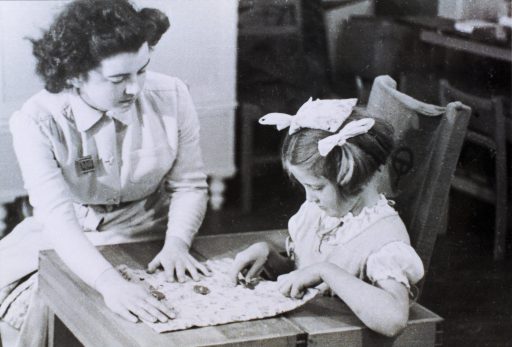
Speaking for Ourselves: school experiences of people with cerebral palsy (CP)
Valerie Lang MBE found the medical label of cerebral palsy (CP) followed her into her education.
“The diagnosis was not helpful. They just followed the book, which said cerebral palsy included what was then mental handicap, and therefore they were constantly telling my parents I was ineducable.”
The doctors’ pessimistic prognosis about cerebral palsy made it difficult for parents to find a suitable education for their children.
(more…) -

Speaking for Ourselves: medical experiences of people with cerebral palsy (CP)
Michael Wilkinson’s childhood experience of operations and long stays in hospital (in an attempt to make him walk) were typical of the 1950s:
“I had 4 operations altogether. Before that I used to crawl everywhere. After that because my legs were different, I couldn’t crawl again for ages afterwards… It was autumn and I was getting really anxious that I was not going to get out before Christmas.”
For many children with cerebral palsy, the medical obsession with walking ‘normally’ was the cause of much frustration and agony.
(more…) -

Speaking for Ourselves: diagnosis of cerebral palsy (CP)
In the 1950s, doctors were white-coated gods who would pronounce on a disabled child’s future and set the course for the rest of their life.
The well-rehearsed diagnosis would go something like this:
“This child is spastic. Take her home. Forget about her. She’ll never be any good. You’re wasting my time, your time and everybody else’s.”
(more…) -
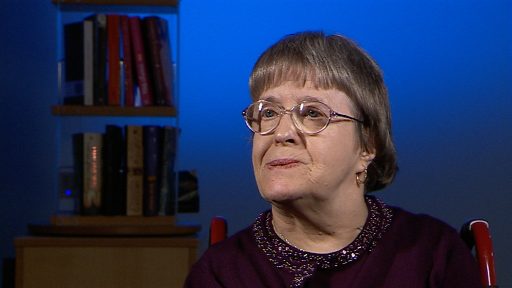
Speaking for Ourselves: Joan Ross, 1939 to 2017
Joan Ross, contributed to the Speaking for Ourselves oral history of people with cerebral palsy at the British Library Sound Archive. She died in January 2017. Using extracts from her interview, we celebrate her life.
(more…) -
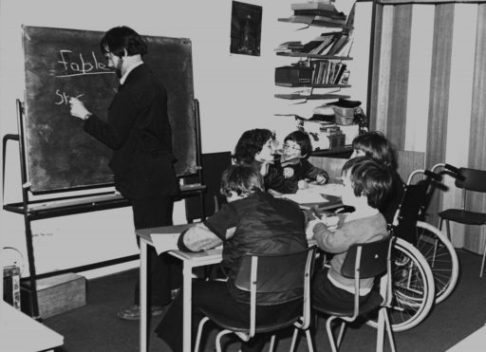
Speaking for Ourselves: Alan Counsell
Alan Counsell contributed to the Speaking for Ourselves oral history of people with cerebral palsy at the British Library Sound Archive.
Alan has been a writer, teacher and trainer, but he was nearly denied an education because of his difficulties in walking. He went to school thanks to the moral (and physical) support of his family.
(more…) -
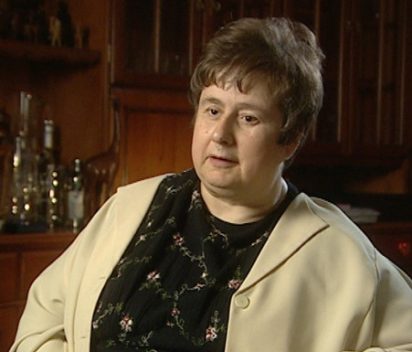
Speaking for Ourselves: Dr Lin Berwick MBE
Writer, counsellor and Methodist preacher Dr Lin Berwick MBE contributed to the Speaking for Ourselves oral history of people with cerebral palsy at the British Library Sound Archive. Here are some of the extracts from her life story interview.
(more…) -

Speaking for Ourselves: Antonia Lister-Kaye
Psychotherapist and writer Antonia Lister-Kaye is a contributor to the Speaking for Ourselves oral history of people with cerebral palsy.
Extracts from her life story interview at the British Library Sound Archive are a fascinating insight into how attitudes to disability have changed during her lifetime.
(more…) -

Speaking for Ourselves: John Hawkridge from callipers to climbing Ben Nevis
Disabled mountaineer and writer John Hawkridge was one of the people with cerebral palsy who contributed to the Speaking for Ourselves collection at the British Library Sound Archive.
In these excerpts, John remembers when he could run as a child and how in later life he tackled Ben Nevis.
(more…)
 Alex White writes